Growing Social Responsibility
Hey Folks,
Something magical happened this week at Osoberry. I witnessed a shifting in social understanding, a skill crystalizing. We are a small group and each kid’s quirks and personalities are obvious and known by all.
In a small class you can’t really hide and that’s the magic in it.
As new kids come in, there is this time of adjustment–everyone trying to figure each other out. Why does this kid react like that? Why are they making this noise? Why do they do things differently from me? At first it can feel strange, uncomfortable, even scary. Sometimes kids push against it and try to control the behaviors of others so they don’t feel that discomfort. They want it to stop or they want it to change.
But then, slowly over time, something interesting happens. They start to get used to each other, truly know each other, and give each other space to be themselves. The differences in each other are no longer strange or scary, it’s just Julian or Sam.
They are allowed their quirks and accepted for who they are.
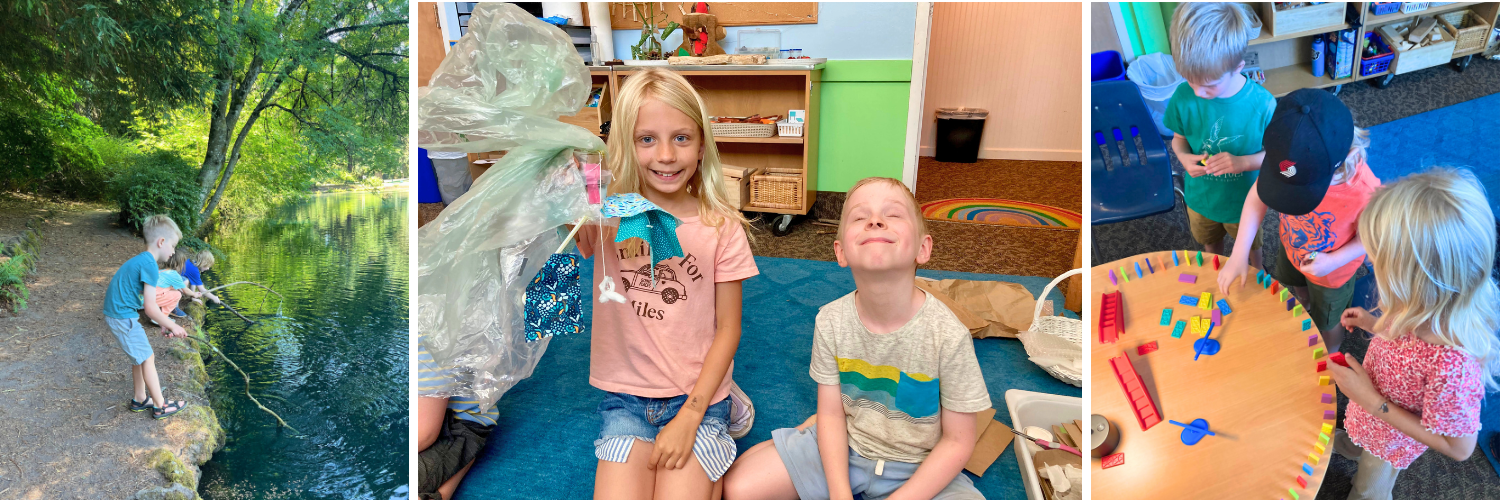
In exchange, kids begin to have an internal drive to show up for each other. There is an understanding of social responsibility that begins to brew and develop: I am accepted in this group and I care about staying here. I care about these people who accept me and know me, and I want to accept and know them too.
This is something I have not seen in larger class sizes or at schools where there is an ongoing churning of people: new class, new kids, new teacher every year. I’m so glad to get to continue my work with these kids for multiple years. My experience in small educational settings tells me that time, space, and continuity are the missing elements in big schools.
When the group is small and there is a throughline of social connection from one year to the next, these deep, lasting understandings about each other can really form. When kids have a long line of experiences with the same people, and thoughtful adults that guide them through the challenges of other people’s quirks, that’s when real, meaningful social skills develop.
I often hear people ask, “How can kids develop social skills without going to a big school? Don’t they need to learn how to deal with people they don’t like?”
The problem is in a large, traditional school kids don’t actually learn how to work with others. They can easily avoid those they initially don’t like and they don’t have the time or space to really get to know each other. They break off into friend groups based on instant familiarity and start to develop an “us vs. them” mentality with kids they don’t understand. Internal biases often get cemented in this environment.
But Osoberry School is different.
It’s intentionally small to create a social group the size humans can actually comprehend. It’s small enough where we can start to see the magic of social responsibility come to life. Each kid gets to be known, can’t hide in the shadows, and deeply understands the importance of showing up for each other.